What changes in the skin after thirty
Skin ageing does not begin with wrinkles. It begins in the dermis, where the fibroblasts gradually slow their production of collagen and elastin. From around the age of 25, collagen production falls by 1% a year; after thirty, slower cell renewal is added to this – the epidermal cycle lengthens from 28 days to 40 or more. The skin is thinner, regenerates more slowly and holds water less well.
At the same time, the structure beneath it changes. The facial fat pads that keep the cheeks full in your twenties begin to shift and lose volume. The bones of the facial skeleton – especially the eye sockets and the midface – subtly remodel. The expression muscles work just as hard, but the skin above them no longer has the same ability to return to its original state.
The first signs you will notice
- Fine lines that ‘don’t go away’. Lines around the eyes and on the forehead that were visible only when you smiled now remain faintly visible at rest. A dynamic wrinkle is turning into a static one.
- Dullness and a tired look. Slower cell renewal means a thicker layer of dead cells on the surface. The skin reflects less light.
- Poorer hydration. Hyaluronic acid in the skin is diminishing; the skin feels ‘tight’ after washing and make-up settles into the lines.
- The first shadows under the eyes and faint nasolabial folds. Not because anything has ‘dropped’, but because the cheeks are losing support and the light falls differently.
- Uneven tone. Years of sun begin to show as the first pigmentation spots and dilated capillaries.
What makes sense at this age – and what doesn’t
The most common mistake after thirty is treating volume that isn’t yet missing. Cheek fillers in a 32-year-old client who actually has dehydrated skin and overworked expression muscles give a result that looks ‘done’. The second mistake is the opposite: doing nothing and waiting until it is ‘really necessary’. By then we are talking about correction, not prevention.
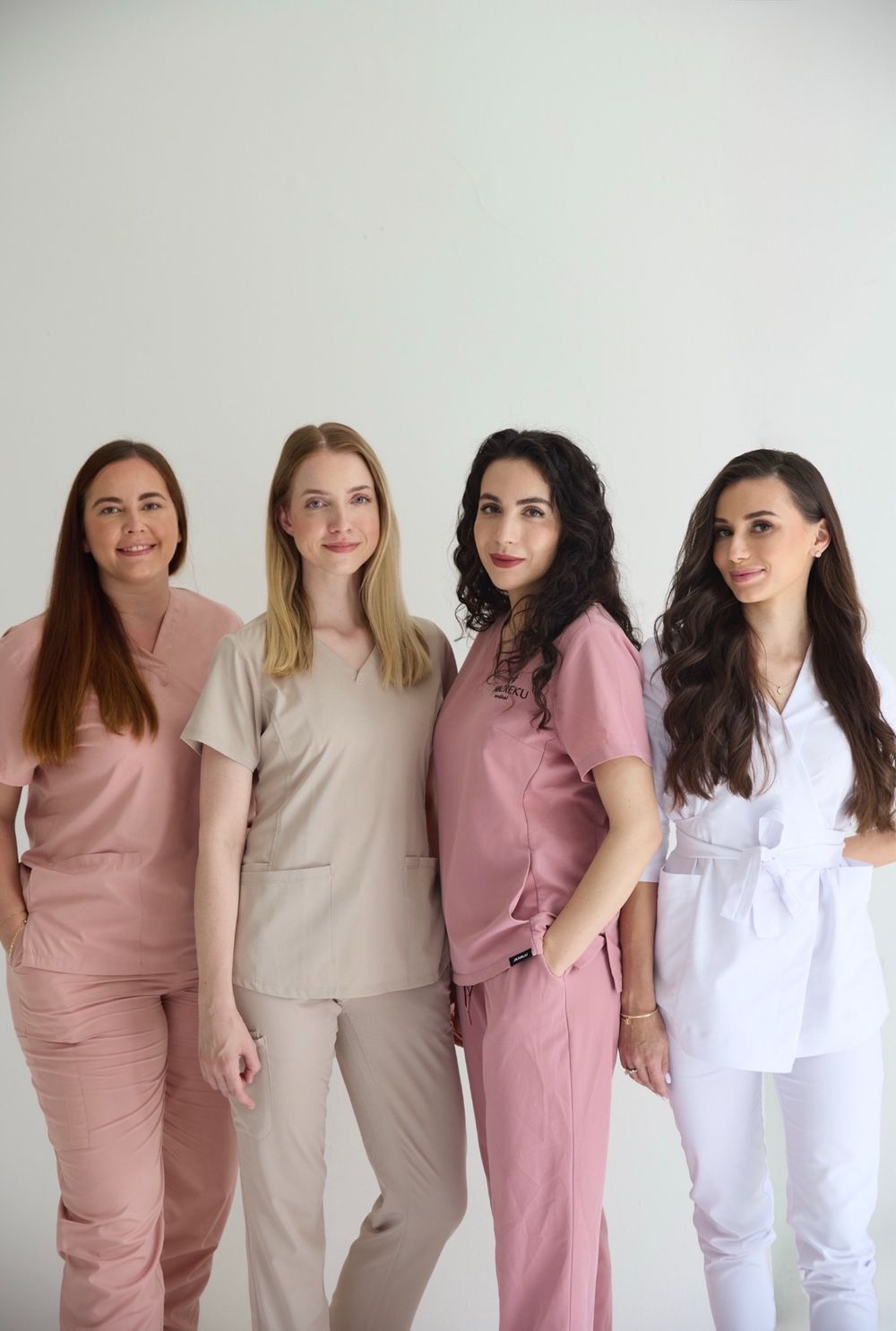
At Mazreku Medical we work on three levels at this age:
1. Skin quality – hydration and collagen stimulation
Skin boosters (Belotero Revive, Profhilo) deliver non-cross-linked hyaluronic acid into the dermis, where it binds water and stimulates the fibroblasts. They don’t change shape; they change quality. Polynucleotides are suitable for the eye area and reactive skin. Two to three treatments a year are enough.
2. Expression lines – preventive botulinum toxin
Small doses of botulinum toxin in the areas where lines are starting to etch in (glabella, forehead, eye area) slow the transformation of dynamic wrinkles into static ones. The aim is not to ‘freeze’ the face, but to soften movement by 20–30%. Correctly dosed botulinum toxin in your thirties is the most effective prevention aesthetic medicine knows.
3. Surface – renewal and protection
Gentle chemical peels, Hydrafacial or laser treatments for capillaries and pigmentation keep cell renewal up to speed and address the first consequences of sun exposure. And the cheapest treatment of all: SPF 50 every day. Without it, the other steps are merely catching up with what the sun damages every day.
Collagen supplements? They work partially and indirectly. Why drinking collagen isn’t enough and what actually produces it in the skin is covered in a separate article.
How often, and what it costs
A preventive plan after thirty is not expensive if it is done sensibly. A typical annual protocol: botulinum toxin twice, a skin booster or Profhilo twice, a peel or Hydrafacial 2–4 times, and a check of pigmentation and capillaries once a year. Specific prices are in the price list, and we put the plan together at a consultation based on what your skin actually needs – not on what is in fashion.